

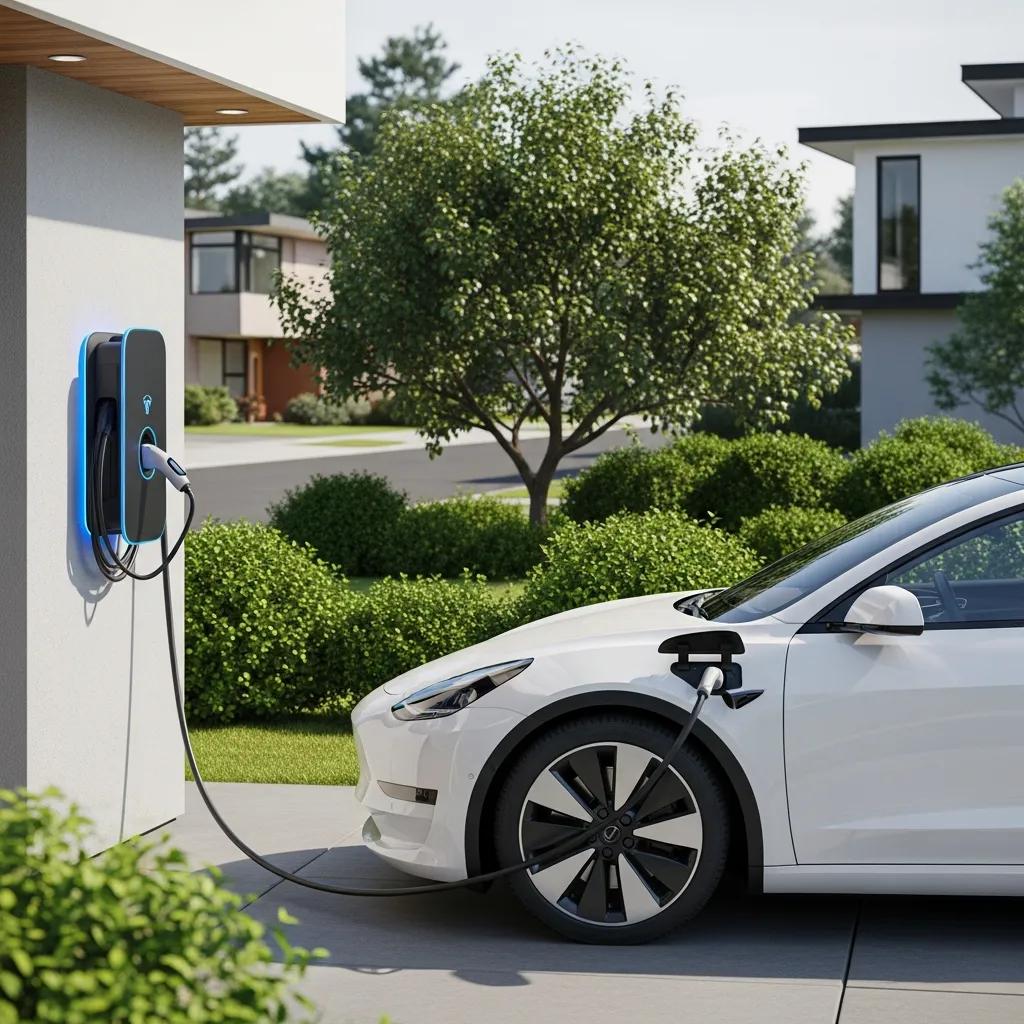
How much does it really cost to install an EV charger in Surrey?
As electric cars become more common, more Surrey homes and businesses need reliable charging. Knowing the likely costs for an EV charger installation helps you budget and avoid surprises. This guide walks through the main cost drivers, typical price ranges for different installs, and the grants that can reduce the upfront expense. Read on and you’ll finish with a clear picture of what to expect.
Installing an EV charger needn’t be intimidating — it’s a practical step if you’re switching to electric. Here we cover average costs, the key things that affect price, available grants, trusted charger brands, and how ADS Electrical handles the installation from start to finish.
How much does EV charger installation cost in Surrey?
Installation costs in Surrey vary depending on site and equipment. For most homeowners you can expect to pay roughly £700–£1,200 for a domestic install. Commercial installations tend to be pricier, commonly between £1,200 and £3,000 or more, depending on complexity and the power required.
What is the average price range for domestic and commercial installations?
Domestic installs generally fall in the £700–£1,200 band. That covers the charger unit, labour and any basic electrical work needed. Commercial installs are usually higher — roughly £1,200–£3,000 — because of higher-power units, multiple sockets or more extensive site works. The exact price depends on charger type, siting and any extra electrical upgrades needed.
Which factors influence the final installation price?
Several practical factors affect the final bill:
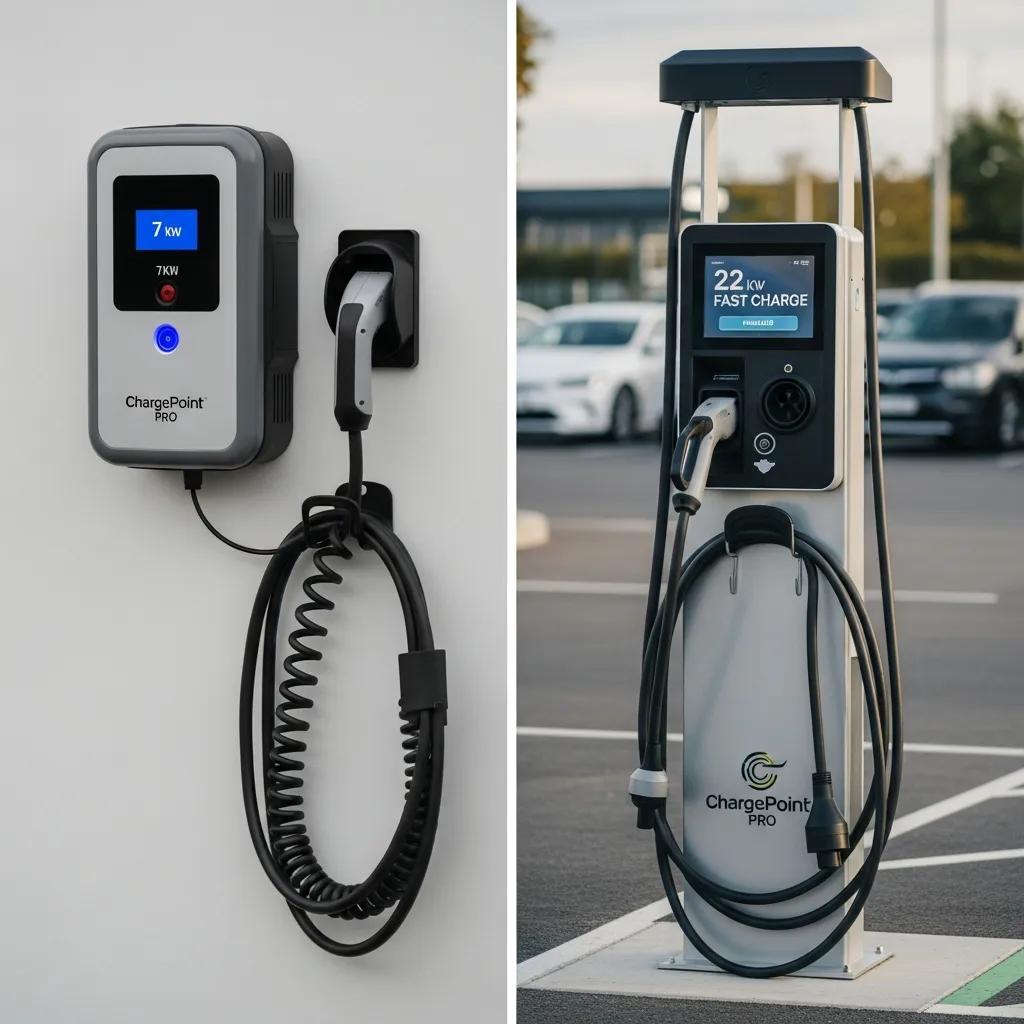
- Charger Type: Chargers have different price points — a typical 7kW home unit costs less than a 22kW fast charger.
- Installation Complexity: Major electrical upgrades, long cable runs or additional consumer unit work will push the cost up.
- Location Specifics: Site access and local labour rates matter — city installs can be more expensive than rural ones.
What are the key factors affecting EV charger installation prices in Surrey?
Knowing what drives cost helps you plan and avoid unexpected charges.
How do charger types and power ratings impact costs?
The charger’s power rating and feature set directly affect price. A 7kW home charger is typically cheaper than a 22kW commercial unit. Choosing a smart charger with app features, load balancing or scheduled charging will add to the upfront cost but can save you time and money over the long term.
What installation complexities can increase expenses?
Installation complexity is a common cost factor, including:
- Cable Run Length: Longer cable runs need more materials and labour, which raises the price.
- Groundworks: Trenching, concrete or significant groundwork will add to the overall cost.
- Electrical Upgrades: If your property needs a consumer unit upgrade or other electrical work to support the charger, expect higher costs.
What government grants and incentives are available for EV charger installation in Surrey?

Government schemes can reduce the cost of installing EV chargepoints, making them more affordable for both homeowners and businesses.
Who is eligible for the OZEV EV Chargepoint Grant and how much is it worth?
The OZEV EV Chargepoint Grant offers help with installation costs. Homeowners can claim up to £350 towards a charger. Businesses can claim up to £350 per socket, with a maximum of 40 sockets. Eligibility normally requires owning an eligible vehicle and using an approved installer.
How does the Workplace Charging Scheme support Surrey businesses?
The Workplace Charging Scheme (WCS) helps businesses install EV chargers by offering up to £350 per socket for up to 40 sockets. It’s a straightforward way for employers to support staff who drive electric vehicles.
Which EV charger brands and models are recommended for Surrey installations?
Pick reputable brands for reliability and support — they make the whole ownership experience simpler.
What are the features and costs of popular domestic chargers?
Common domestic brands include Rolec, Pod Point and Wallbox. Prices typically range from around £400 to £1,000 depending on features like smart connectivity, app control and charging speed.
Which commercial and industrial chargers suit Surrey businesses?
For commercial sites, manufacturers such as Schneider Electric and ABB provide durable, high-capacity solutions. Commercial chargers can cost anywhere from about £1,200 to £3,000 depending on power output and additional features. Businesses should match the charger to the number of vehicles and expected charging speed.
What is the EV charger installation process with ADS Electrical in Surrey?
ADS Electrical aims to make installations simple and transparent, from the first chat to the final certificate.
How does the free consultation and quote work?
We offer a free site visit and quote. A qualified technician assesses your property, discusses your needs and provides a clear, itemised quote — usually within 24–48 hours — so you can decide with confidence.
What are the steps from installation to certification?
The typical process looks like this:
- Site Assessment: A technician visits to review access, power availability and best siting.
- Installation: We install the charger to current safety standards and agreed specifications.
- Certification: Post-install checks and testing are completed, and you receive any necessary certification.
Why choose ADS Electrical for your EV charger installation in Surrey and East Sussex?
Picking the right installer matters. We combine local knowledge with certified workmanship so your charger is safe, reliable and correctly installed.
What qualifications and certifications does ADS Electrical hold?
ADS Electrical is an NICEIC-approved contractor, which means our work meets recognised industry standards and gives you added peace of mind.
How does ADS Electrical ensure customer satisfaction and project coordination?
We prioritise clear communication and project coordination from enquiry to handover. You’ll get a single point of contact, transparent timelines and regular updates so the job runs smoothly and you’re happy with the result.
Frequently asked questions
What types of EV chargers are suitable for homes?
Home chargers are usually categorised by power. Level 1 chargers use a standard domestic socket and are slower; Level 2 chargers need a dedicated circuit and deliver faster, more convenient charging. Smart home chargers are increasingly popular — they offer app control, scheduling and energy monitoring, which can help reduce running costs.
How long does the installation process typically take?
Most domestic installations take around 2–6 hours, depending on complexity. Factors include the charger model, whether electrical upgrades are needed and how accessible the installation location is. Certification and testing take a little extra time, and your installer can give a precise estimate after the site visit.
Are there any ongoing maintenance costs associated with EV chargers?
EV chargers generally need little maintenance, but you should factor in electricity costs, occasional repairs and periodic inspections. Some smart chargers may require software updates. These costs are usually modest compared with the benefits of home charging.
Can I install an EV charger myself, or do I need a professional?
We strongly recommend a qualified electrician for EV charger installs. Professionals ensure compliance with local electrical regulations, carry out the necessary upgrades safely and issue the correct certification — avoiding potential safety risks and costly mistakes.
What should I consider when choosing a location for my EV charger?
Choose a spot that’s convenient to park and close to your vehicle’s charging port, with clear access for cables. Check for nearby power supply and shelter from extreme weather if possible. A site visit from a professional will confirm the best position and highlight any practical issues.
Are there any tax benefits for installing an EV charger?
In some cases, tax incentives or credits may be available to offset the cost of installing EV charging infrastructure. These vary by region and situation, so check with a tax advisor or local government guidance to see what applies to you.