

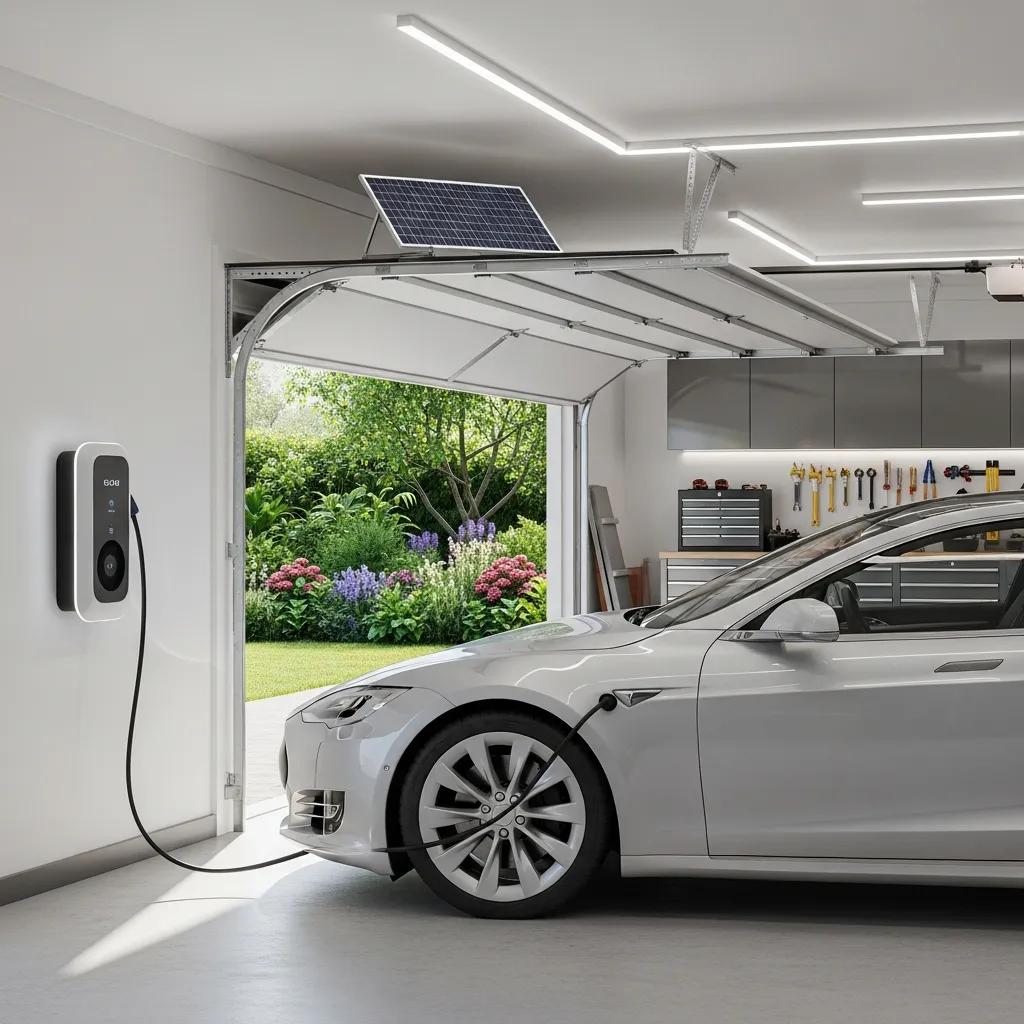
Home EV Chargers: A practical guide to smart, efficient, and compatible charging
What are home EV charging stations, and why do they matter?
Understanding Level 2 EV chargers for home use
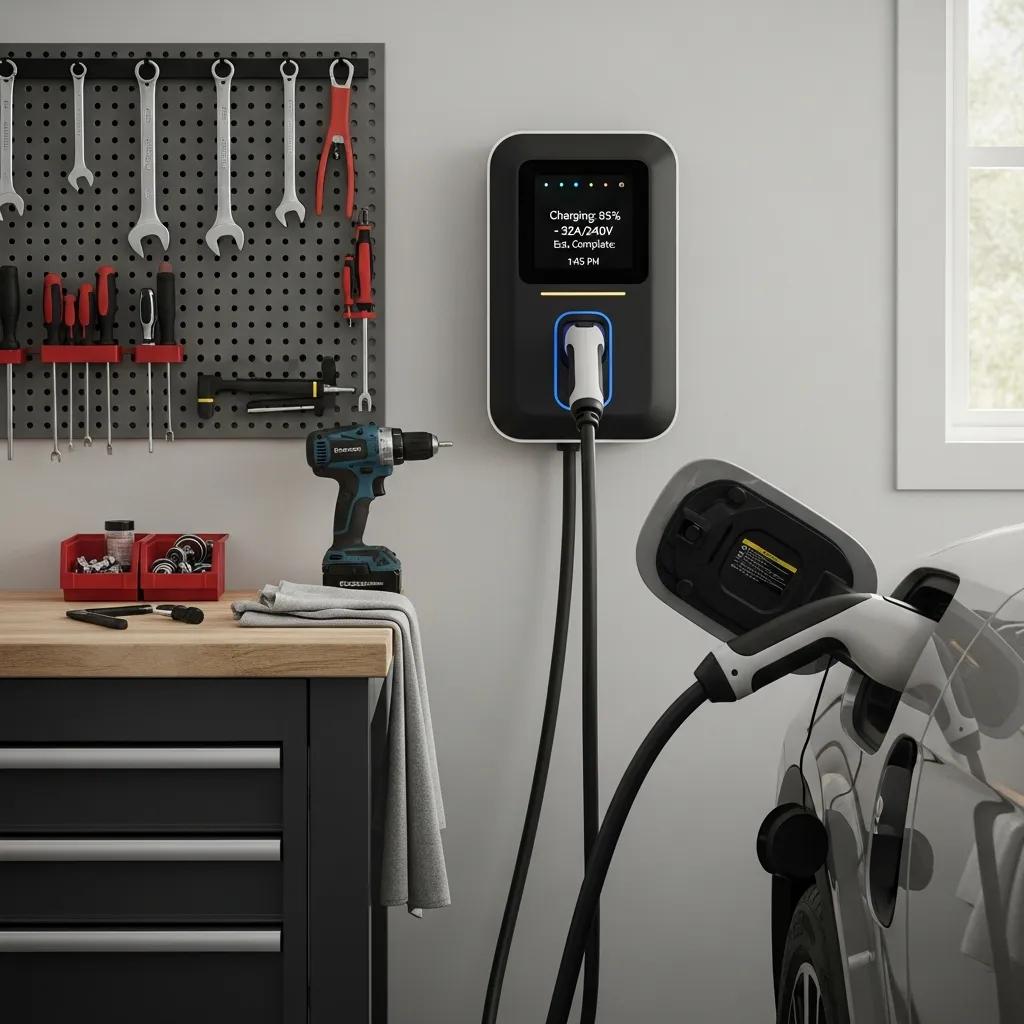
Level 2 EV Chargers: Home & Public Charging Requirements
Level 2 chargers require a 240 V supply and are suitable for both residential and public charging locations.
A comprehensive examination of the protocols, technologies, and safety requirements for electric vehicle charging infrastructure, B Bommana, 2023
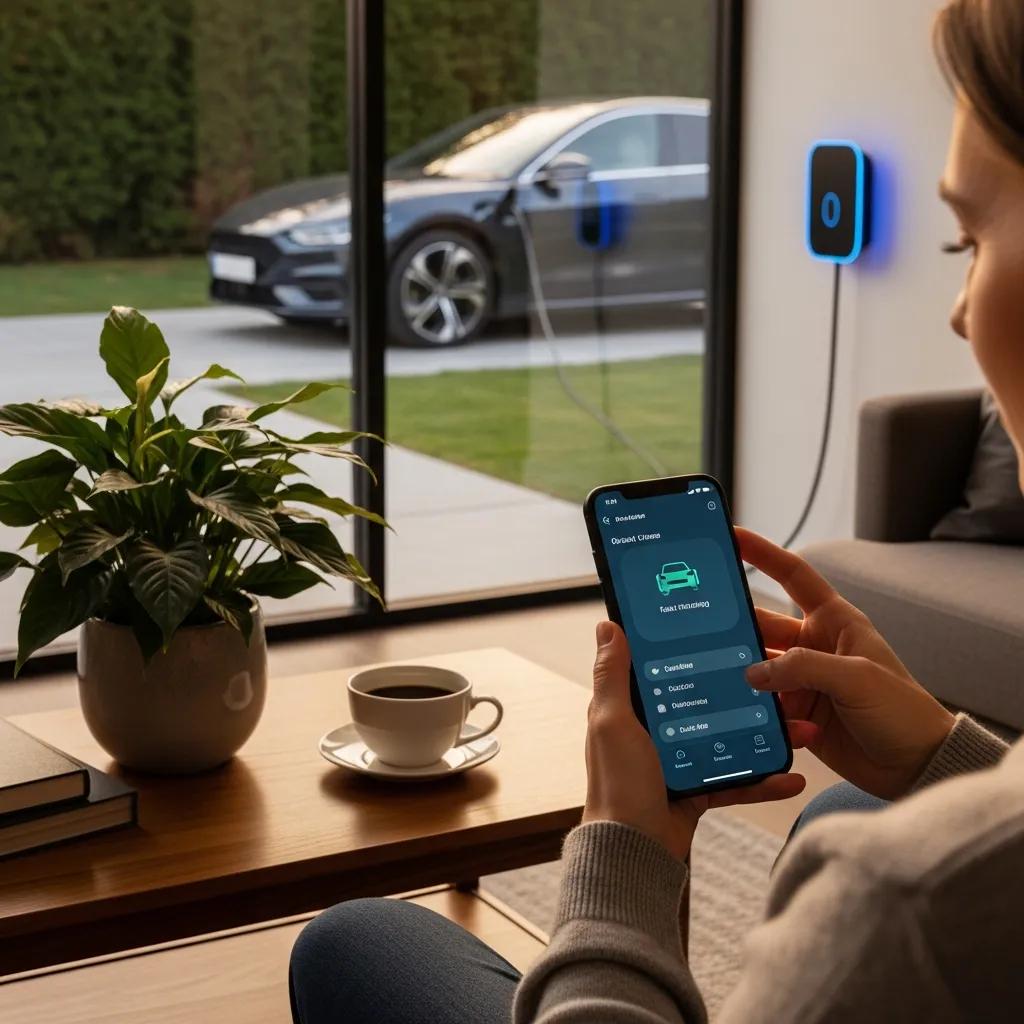
How smart home chargers improve efficiency and control
Which electric car charger models work best at home?
- My Energi Zappi: Ideal for homes with solar. The Zappi integrates with PV arrays so you can prioritise renewable energy for charging. It supports up to 22 kW three‑phase where available and offers multiple modes to maximize solar use and reduce grid consumption.
- Ohme Pro and Ohme EPod: Both offer smart tariff integration so you can charge during low-cost windows. The Ohme Pro delivers up to 7.4 kW single‑phase—common in many UK homes—while the EPod is a compact, more budget-friendly variant that keeps the same smart features.
- Hypervolt 3: A strong choice for charging speed and design. Hypervolt 3 supports up to 22 kW three‑phase where available and includes load‑balancing and app control, all wrapped in a modern, user-friendly package.
- Easee One: Small and modular, Easee One is easy to install and scales well for multiple EVs. It supports up to 22 kW three‑phase, offers dynamic load balancing, and has strong safety certifications—useful in homes with more than one vehicle.
How do features and specs compare across top home chargers?
| Model | Power | Connectivity | Safety |
|---|---|---|---|
| My Energi Zappi | Up to 22 kW (3-phase) | Wi‑Fi, Ethernet, Bluetooth | Overcurrent protection, RCD |
| Ohme Pro | Up to 7.4 kW (single-phase) | Wi‑Fi, Bluetooth | Surge protection, RCD |
| Hypervolt 3 | Up to 22 kW (3-phase) | Wi‑Fi, Bluetooth | IP54 rated, RCD |
| Easee One | Up to 22 kW (3-phase) | Wi‑Fi, Ethernet | RCD protection, Overcurrent protection |