

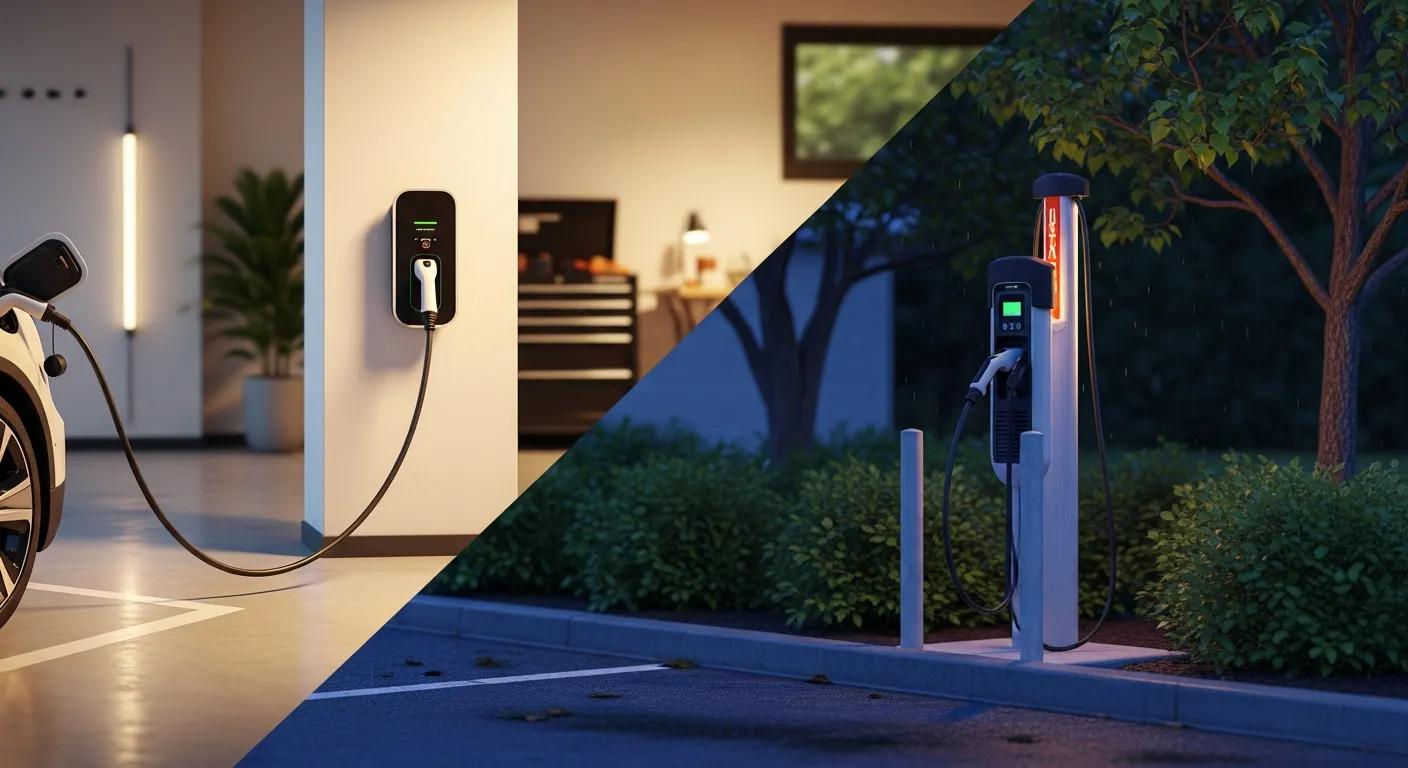
Indoor vs Outdoor EV Charger Insights
What Are the Advantages and Disadvantages of Indoor EV Charger Installation?
What Are the Key Benefits of Installing an EV Charger Indoors?
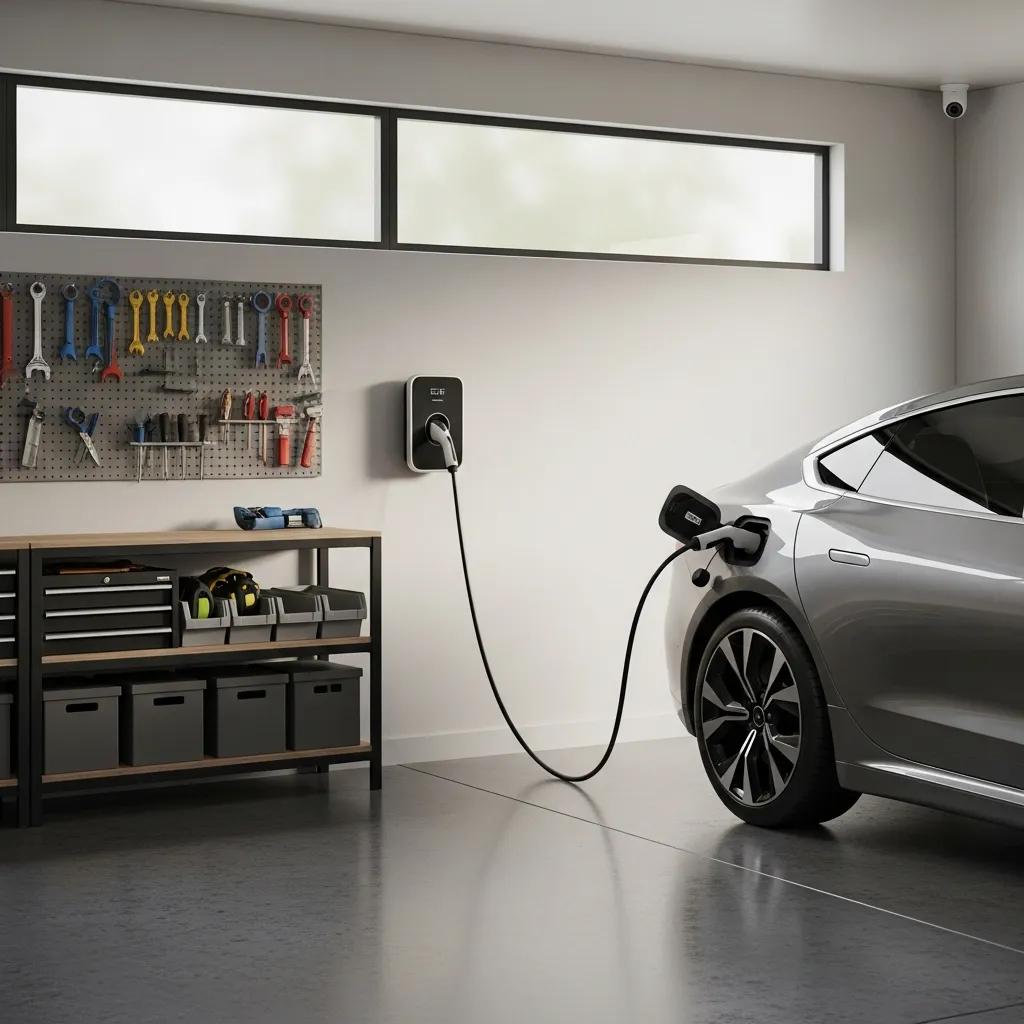
- Weather Protection: Indoor chargers are shielded from harsh weather conditions, reducing wear and tear on the equipment.
- Enhanced Security: Indoor installations are less susceptible to theft and vandalism, providing peace of mind for users.
- Aesthetic Considerations: Indoor chargers can be integrated into the home’s design, maintaining the property's visual appeal.
What Are the Common Drawbacks of Indoor EV Charger Placement?
- Limited Parking Options: Indoor chargers may restrict parking space, especially in smaller garages.
- Cable Length Considerations: Depending on the layout, cable length may be a factor, but longer cable runs are generally manageable with most EV chargers.
- Space Constraints: Not all homes have adequate space for an indoor charger, particularly in urban settings.
What Are the Pros and Cons of Outdoor EV Charger Installation?
What Benefits Does Outdoor EV Charger Installation Offer?
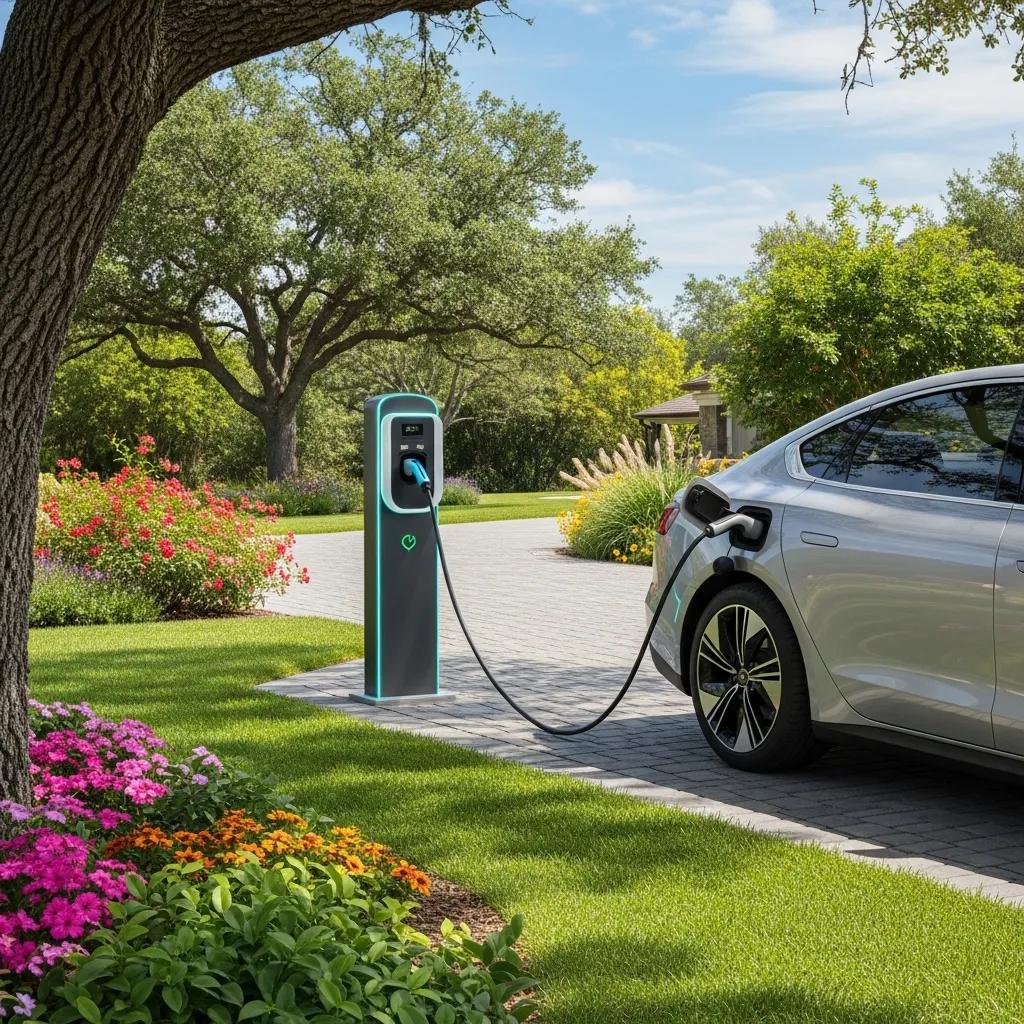
- Ease of Access: Outdoor chargers are typically more accessible for vehicles, allowing for convenient charging without the need to maneuver into a garage.
- Flexibility for Multiple Vehicles: Homeowners with multiple EVs can benefit from outdoor installations, accommodating various parking arrangements.
- Convenience for Homeowners: Outdoor chargers can be installed in driveways or carports, making them easy to use for daily charging needs.
Home EV Charging: Location & Electrical Access
effectively home charging can scale as the primary charging location for electric vehicle PEV charging location, and did not consider diverse parking among multi-vehicle households.
There’s no place like home: residential parking, electrical access, and implications for the future of electric vehicle charging infrastructure, A Duvall, 2021
What Challenges Are Associated with Outdoor EV Chargers?
- Risk of Theft and Vandalism: Outdoor chargers can be more exposed to theft and vandalism, so additional security measures may be advisable.
- Weatherproofing Requirements: Outdoor chargers must have appropriate weatherproof ratings (typically IP65 or higher) to withstand rain, snow, and temperature variations, which can influence installation costs.
- Potential for Damage: Outdoor chargers are at risk of damage from vehicles, falling branches, or other environmental factors.
What Key Factors Should Influence Your EV Charger Placement Decision?
How Do Weather and Environmental Conditions Affect Charger Location?
- Importance of IP Ratings: Chargers installed outdoors should have a high Ingress Protection (IP) rating, typically IP65 or above, to ensure resistance to dust and water.
- Local Climate Considerations: In areas with extreme weather, such as heavy rain or snow, choosing a sheltered location can prolong the charger’s lifespan.
What Are the Electrical Requirements and Panel Proximity Considerations?
- Dedicated Circuits: Ensure that your EV charger is connected to a dedicated circuit to prevent overloads.
- Panel Upgrade Needs: Depending on your home’s electrical capacity and the charger's power rating, you may need to upgrade your panel or electrical supply to accommodate the charger.
EV Charger Installation: Electrical System Impact
With the installation of electric vehicle charging stations, their impact on the integrated electrical systems has become increasingly important. The integration of EV charging stations into existing electrical installations necessitates a re-evaluation of various electrical parameters, including voltage drop, cable current carrying capacities, short-circuit breaking capacities of switchgear, selectivity, and similar electrical factors.
Examination of the revision need in an existing electrical installation integrated with an electric vehicle charging station in the Simaris environment, E Çetin, 2022
How Do Security and Accessibility Impact Indoor vs Outdoor Choices?
- Security Measures for Outdoor Chargers: Installing outdoor chargers may require additional security features, such as cameras, motion sensors, or lockable enclosures.
- Accessibility for Daily Use: Consider how often you will use the charger and whether an outdoor location will provide easier access.
What Are the Relevant UK Regulations and Planning Permissions?
- Recent Regulatory Changes: The UK government has introduced regulations encouraging EV charger installations, including requirements for new homes and buildings, but most domestic installations do not require planning permission.
- Compliance Requirements: Ensure that your installation meets all local building codes, Part P electrical safety regulations, and BS 7671 wiring standards.
EV Charging Technology, Standards & Infrastructure
This report accesses the technologies and standards associated with Electric Vehicles (EVs), Electric Vehicle Service Equipment (EVSE) and the related infrastructure. A review of infrastructure, highway and vehicle safety standards are included in the paper. The report also evaluates the barriers and challenges of deploying an expanded network of EV charging stations and makes recommendations to help standardize and expedite EVSE infrastructure deployment to support the accelerating growth of EVs.
Electric vehicle charging technology analysis and standards, JD Kettles, 2015
How Do Installation Costs Compare Between Indoor and Outdoor Chargers?
- Average Installation Costs: Outdoor installations can sometimes be more expensive due to additional weatherproofing, trenching, or security measures, but costs vary widely depending on site specifics.
- Cost Implications of Location: Consider the long-term savings of an indoor installation versus the upfront costs and potential maintenance of outdoor setups.
How to Choose the Best EV Charger Location for Your East Sussex or Surrey Property?
What Property and Parking Factors Affect Charger Placement?
- Driveway Access: Ensure that the charger is easily accessible from your driveway or parking area.
- Garage Space: If you have a garage, consider whether it can accommodate an indoor charger without compromising space.
Why Is a Professional Site Assessment Important?
- Tailored Recommendations: Experts can offer personalized advice based on your property’s layout and electrical capacity.
- Safety Considerations: Professional assessments ensure that installations comply with safety standards and regulations.
Why Should You Choose ADS Electrical for Your EV Charger Installation Needs?
What Certifications and Local Expertise Does ADS Electrical Offer?
- NICEIC Certification: This certification ensures that ADS Electrical meets high standards of safety and quality in electrical work.
- Experience in Local Installations: With extensive experience in East Sussex and Surrey, ADS Electrical understands the specific needs and regulations of the area.
How Does ADS Electrical Support Clients with Consultations and Quotes?
- Free Consultation Process: Clients can benefit from a free consultation to discuss their specific needs and options.
- Quick Quote Turnaround: ADS Electrical provides prompt quotes, allowing clients to make informed decisions quickly.
| Installation Type | Advantages | Disadvantages |
|---|---|---|
| Indoor EV Charger | Weather protection, enhanced security, aesthetic integration | Limited parking options, cable length considerations, space constraints |
| Outdoor EV Charger | Ease of access, flexibility for multiple vehicles, convenience | Risk of theft and vandalism, weatherproofing requirements, potential for damage |