If you are considering an EV charger installation in Surrey, one of the first decisions is whether to choose a tethered or untethered charging point.
Both types can provide convenient overnight charging at home. The main difference is simple: a tethered charger has a permanently attached cable, while an untethered charger has a Type 2 socket that you connect using a separate cable.
For most Redhill homeowners, the right choice depends on your driveway layout, where your car’s charge port is positioned, whether you expect to change vehicles, and how much you value convenience versus flexibility.
Tethered and untethered EV chargers: the difference
A tethered EV charger has a fixed charging lead attached to the wall-mounted unit. You take the cable from its holster and plug it directly into your vehicle.
An untethered EV charger has a Type 2 socket but no permanently attached cable. You use a separate Type 2-to-Type 2 cable, usually supplied with your vehicle or purchased separately.
| Feature | Tethered charger | Untethered charger |
|---|---|---|
| Daily use | Plug in immediately | Retrieve and connect a separate cable |
| Appearance | Cable remains visible on the wall | Cleaner when not in use |
| Flexibility | Fixed cable length and connector | Cable can be changed or replaced |
| Security | Cable cannot easily be removed | Cable may need to be stored securely |
| Maintenance | Fixed cable can be more expensive to replace | Separate cable is easier to replace |
| Best suited to | One main EV and frequent charging | Multiple vehicles or future flexibility |
In the UK, most modern electric cars use a Type 2 connection for AC home charging. However, it is still important to confirm your vehicle’s requirements before choosing a charger.
The benefits of a tethered EV charger
A tethered unit is often the most practical choice for a household that charges the same electric car regularly.
1. Maximum day-to-day convenience
With a tethered charger, the cable is always ready to use. You do not need to open the boot, find the charging lead, connect it to the charger and then connect it to the car.
That can make a noticeable difference during dark winter mornings or wet evenings in Redhill. You simply park, take the cable from its holster and plug in.
2. The cable is always available
A separate charging cable can be forgotten, misplaced or left at another property. With a tethered charger, the lead remains attached to the wallbox.
This makes a fixed cable particularly useful if:
- You charge at home most nights
- You have one main EV
- Different family members use the vehicle
- You want a straightforward plug-in routine
- Your driveway has secure, regular parking
3. Reduced risk of cable theft or loss
A tethered lead cannot be easily detached from the charger. While you should still use the manufacturer’s cable storage and locking features, the arrangement is generally more secure than leaving a removable cable outdoors.
4. A wide choice of smart chargers
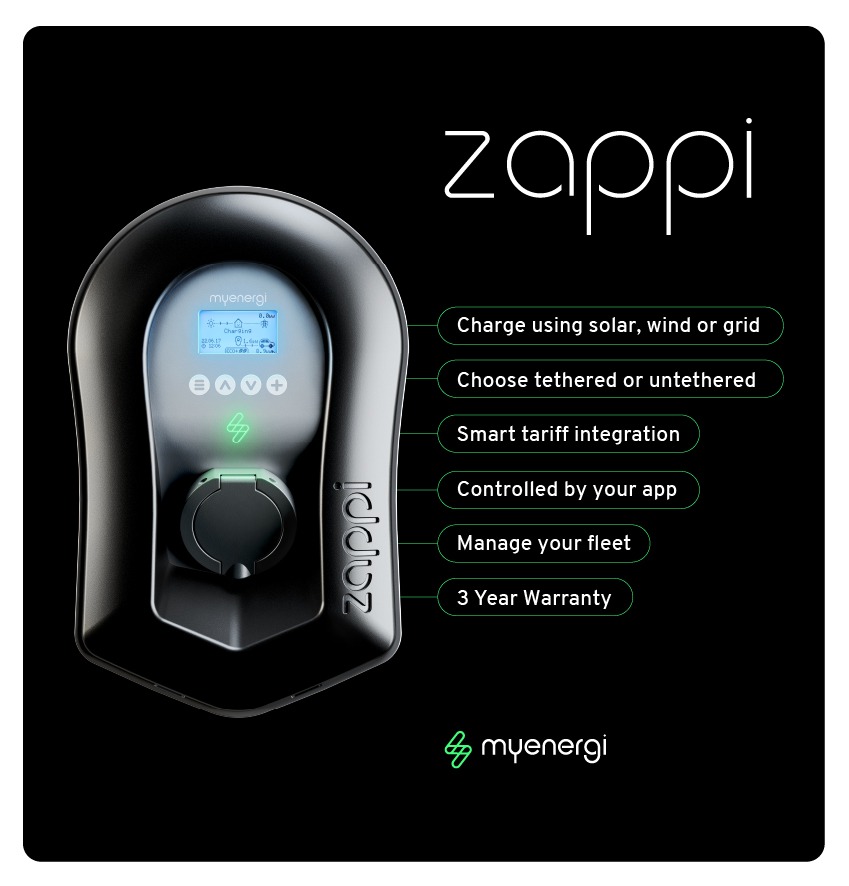
Several popular home charging brands offer tethered models. For example, the Ohme Home Pro includes a tethered 5-metre Type 2 cable, with an 8-metre cable option available. Hypervolt’s current home chargers are also tethered, while the myenergi Zappi is available in both tethered and untethered versions.
The disadvantages of a tethered charger
A fixed cable is convenient, but it does reduce flexibility.
Cable length matters
Most tethered chargers are supplied with a cable between approximately 5 and 7 metres, although some models offer longer options. The correct length depends on:
- The distance from your consumer unit to the proposed charger position
- Where your car normally parks
- The position of the vehicle’s charge port
- Whether you may park nose-in or reverse-in
- Whether more than one vehicle will use the charger
A cable that is too short can be frustrating. A very long cable can be heavier, more difficult to manage and more visually noticeable.
During a free site survey, an experienced electrician can assess the parking arrangement and recommend a practical cable length rather than simply selecting the standard option.
The cable is exposed to the weather
A fixed cable is outdoors permanently. Over time, it can be exposed to rain, sunlight, dirt, accidental impact and repeated bending.
To prolong its life:
- Use the charger’s cable holster
- Do not leave the connector lying on the ground
- Avoid driving over the cable
- Keep the plug clean and dry
- Check regularly for cuts, crushing or exposed conductors
- Do not attempt to repair a damaged charging lead yourself
Replacement of a tethered cable normally requires an approved engineer and, depending on the charger, may be more involved than replacing a separate Type 2 lead.
The benefits of an untethered EV charger
An untethered charger, sometimes called a socketed charger, can be a better option if flexibility and appearance are important to you.
1. A cleaner appearance
When no vehicle is charging, there is no cable hanging from the wall. This can suit a front driveway, garage entrance or recently landscaped property where you want a more discreet installation.
The charger itself remains visible, but the separate cable can be stored in the vehicle or in a secure indoor location.
2. Easier cable replacement
If a removable Type 2 cable becomes worn or damaged, you can normally replace the cable without replacing the complete wallbox. You can also choose a different length later if your parking arrangement changes.
This may be useful if:
- You change vehicles regularly
- You have more than one EV
- You sometimes charge a different car
- Your driveway is being redesigned
- You want to use the same cable at public untethered chargepoints
3. Greater future flexibility
An untethered Type 2 charger allows you to select a suitable cable for each vehicle. This does not necessarily mean the wallbox will work with every possible connector without the correct approved lead, but it can make future vehicle changes easier.
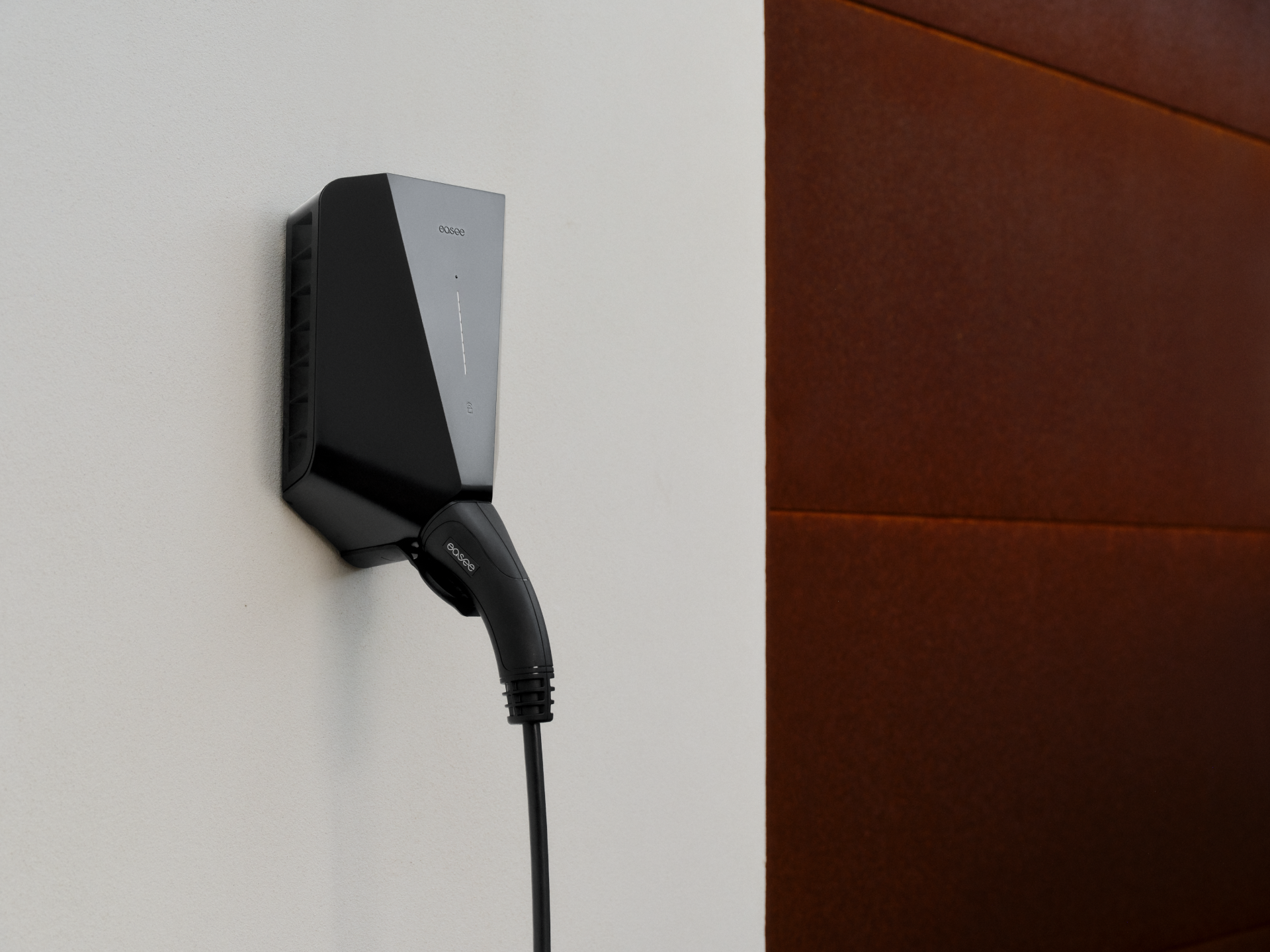
The Easee One is an example of a charger designed to operate in either arrangement. Its Type 2 cable can be locked into place through the app, creating a tethered-style setup, or removed when you want the socketed appearance.
The disadvantages of an untethered charger
The main drawback is that every charging session involves an additional step.
You need to:
- Retrieve the cable from your car or storage area
- Connect it to the charger
- Connect it to the vehicle
- Disconnect and store it after charging
That may be minor for some households, but less convenient if you arrive home late, charge frequently or do not have a suitable place to store the cable.
A loose cable can also be stolen, misplaced or left across a driveway. Never leave it where it creates a trip hazard or crosses a public pavement. For Redhill properties without private off-street parking, a different council-approved solution may be needed; a standard home charger should not be installed in a way that leaves a cable across the public footway.
Your Redhill home and the electrical installation
The choice of cable type is only one part of a safe EV charger installation.
A typical home charger provides around 7.4 kW on a single-phase supply. It normally requires a dedicated circuit from the consumer unit, suitable protective devices and compliance with the relevant requirements of BS 7671 and Building Regulations.
Your existing consumer unit may need attention if:
- There is no spare way for a dedicated EV circuit
- The board is old or in poor condition
- The protective devices are not suitable
- The incoming supply or main fuse needs assessing
- Earthing and residual current protection need upgrading
- Other high-load equipment is already installed
Some Redhill and Surrey properties, particularly older homes, may require a consumer unit upgrade before an EV charger can be installed safely. A site survey should also consider cable routes, external walls, garage locations and the distance to the parking space.
Installing a new EV charging circuit is notifiable work. Use a competent installer who can provide the required electrical and Building Regulations certification. The Planning Portal guidance confirms that building regulations approval is required for an EV home charger, either through the appropriate building control route or a registered competent person scheme.
Does tethered or untethered cost more?
The installation labour is usually similar because both types require a correctly designed and protected dedicated circuit.
The equipment price can vary by brand and model. A tethered charger includes its cable, while an untethered charger may require a separate Type 2 lead. Some untethered models are priced lower initially, but the cable becomes an additional cost if your vehicle does not include one.
In practice, the difference in total cost is often less important than selecting the right location, cable length and charger features. A cheaper charger that is awkward to use every day may not be the best value.
Which charger should you choose?
A tethered charger is likely to suit you if:
- You have one main Type 2 EV
- You charge at home regularly
- You want the simplest possible routine
- Your parking position is consistent
- You prefer the cable to remain secure and available
An untethered charger may be better if:
- You want a neat, minimal wall installation
- You have multiple electric vehicles
- You expect to change cars soon
- You regularly use public untethered chargers
- You want to replace or change cable length easily
There is no universal winner. The best option is the one that matches how you park and charge: not simply the charger with the longest list of features.
EV charger installation in Redhill and Surrey
ADS Electrical provides professional ev charger installation Surrey homeowners can rely on. We are a NICEIC Approved Contractor and OZEV-approved installer, offering free site surveys and free quotes within 24 hours.
We can advise on tethered and untethered options from brands including Ohme, myenergi Zappi, Hypervolt and Easee. Our service includes assessing your consumer unit, planning the cable route, checking the parking position and completing the installation to the required standards.
We serve homeowners and landlords in Redhill, Reigate, Horley, Nutfield, Merstham, Earlswood, Salfords and surrounding Surrey areas.
Whether you need a convenient fixed cable or a discreet socketed charger, speak to a qualified electrician redhill homeowners trust.
Ready to discuss your options? Book a free survey and quote for EV charger installation Redhill today.